
🐾 Supporting Teens and Older Kids Through Pet Loss: Honest Conversations, Grief and the Big Questions
Love & Toe Beans | Gentle Home Pet Euthanasia, Pet Cremation & Grief Support | Greater Brisbane Region | Brisbane, Ipswich, Moreton Bay, Logan, Redland Bay
Losing a beloved pet is heartbreaking at any age. But for teenagers and older children, it can be especially complicated. With emotions already heightened by adolescence, the grief of losing a pet can feel overwhelming, confusing, and deeply personal. And unlike younger children who often ask simple and direct questions, older kids and teens can find themselves sitting with some of life's biggest and hardest questions.
At Love & Toe Beans, we walk alongside families across Brisbane, Logan, Ipswich, Moreton Bay and Redland Bay through every part of this experience. This blog is for parents and carers who want to support their older child or teenager through pet loss with honesty, gentleness and care.
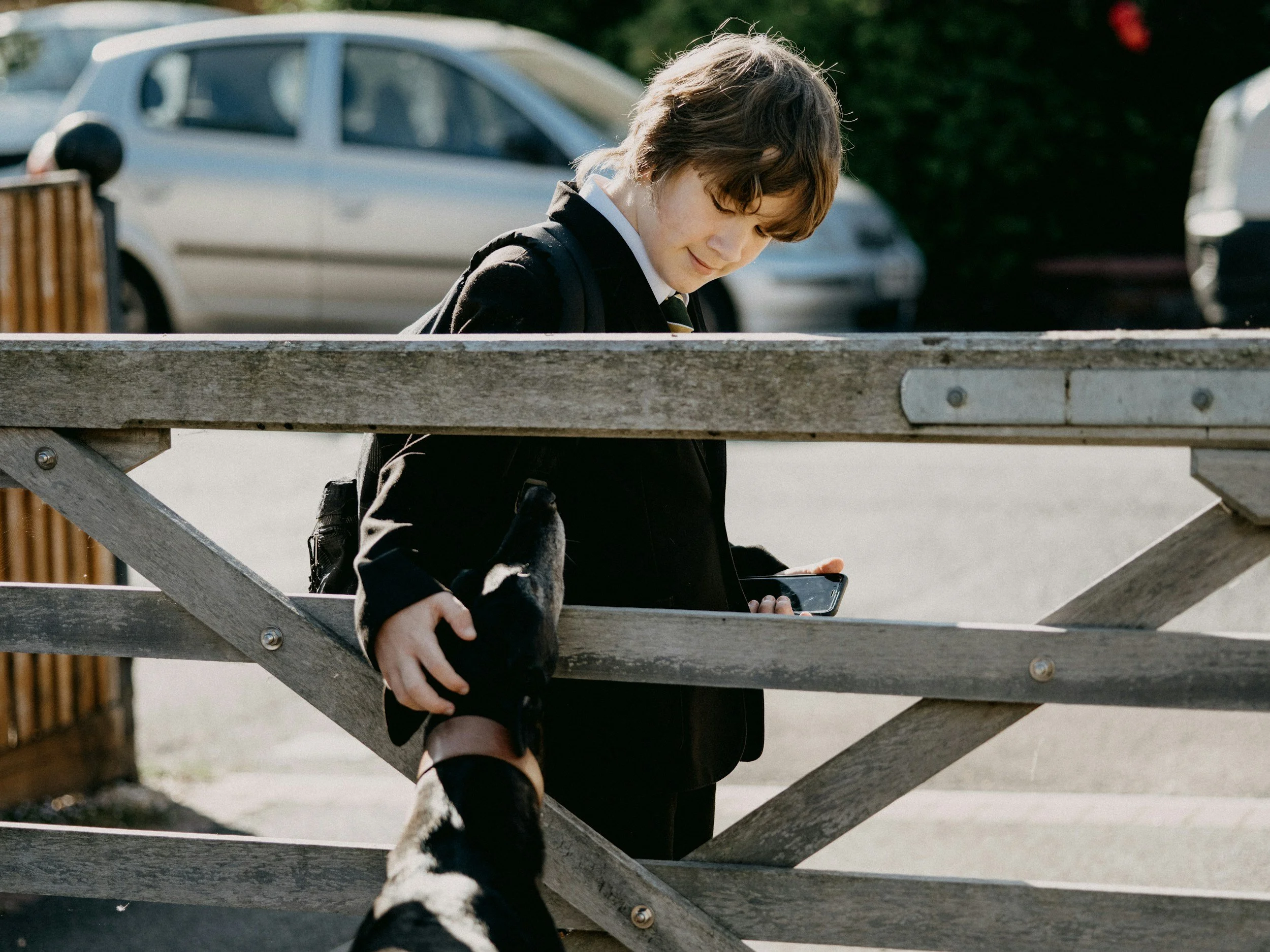
💔 How Teens and Older Kids May Grieve
Children aged roughly 9 to 18 may process grief in ways that are not always easy to see. Some may cry openly and talk about their feelings but but others may appear indifferent in a way that feels confusing. They may seem fine one moment and undone the next or they may retreat into their room, their music, or their phone.
Common emotional responses in this age group include:
🐾 Sadness, sometimes hidden behind a brave face
🐾 Anger or frustration directed at themselves, others, or the situation
🐾 Guilt, wondering if they could have done more
🐾 Numbness or withdrawal
🐾 Confusion about death, dying, and what comes after
🐾 Apparent indifference that masks a much deeper pain
Grief does not follow a straight line. Some older kids will move between emotions quickly and others may take weeks, months, or longer to fully express their sorrow. Both are normal.
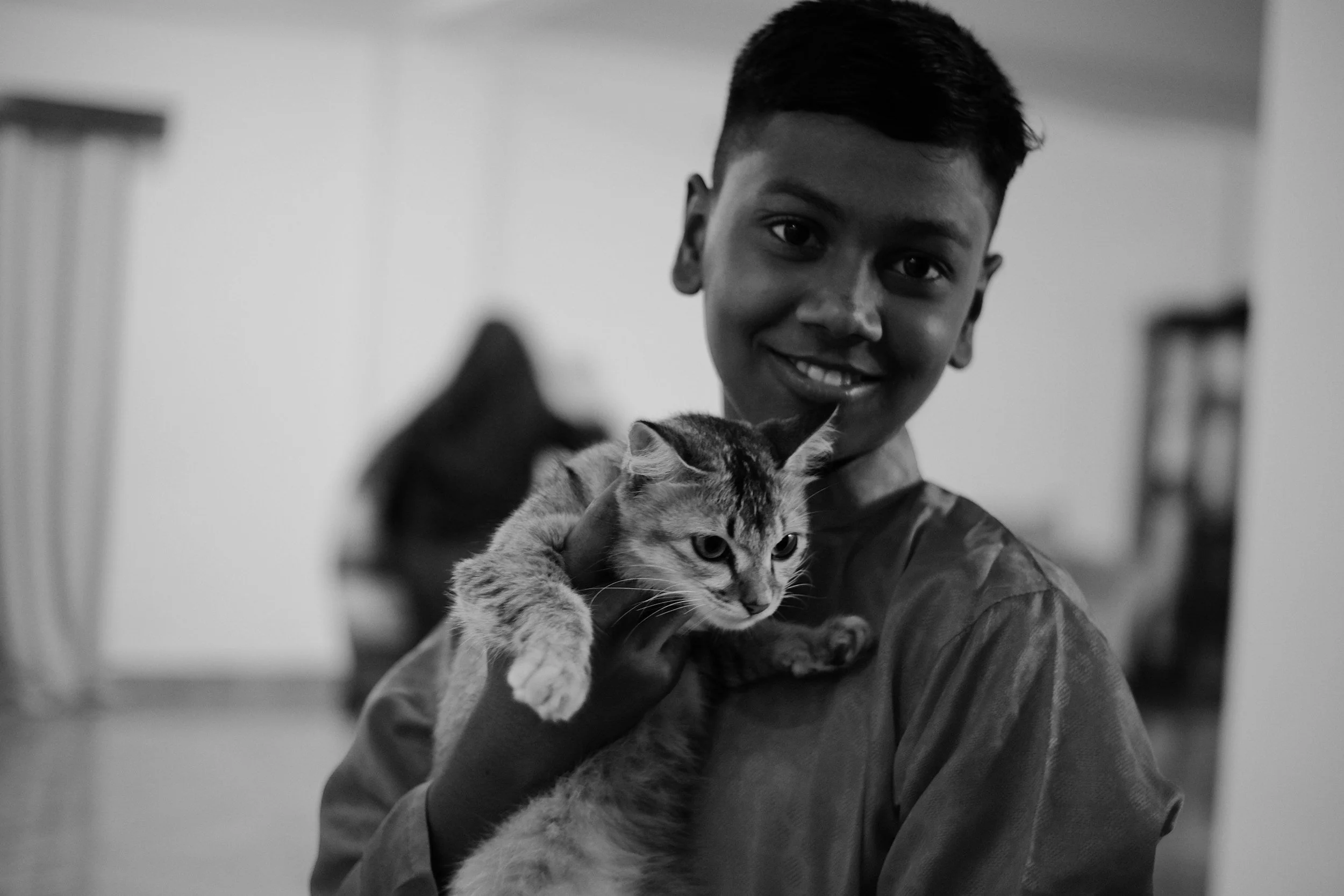
Talking Honestly About Euthanasia
Teenagers value honesty and they can usually tell when they are being protected from the truth. They may value real conversations, even when those conversations are hard.
If your family has chosen home euthanasia for your pet, you might consider involving your teen in age-appropriate ways.
You may wish to explain what will happen, in as much or as little detail as they want to know. You may wish to let them choose whether tehey want to be present or whether they would prefer to say goodbye in their own way.
You might hear questions like:
Was euthanasia really the kindest option? Could we have done more? Who decides when a life should end? What if I am not sure we made the right choice?
These are heavy and meaningful questions. You may wish to let your teen know it is okay to wrestle with these ideas. There are no simple answers, and sitting with that uncertainty is part of what it means to love someone deeply.
The Ethical Questions Teens May Ask
For many teenagers, the loss of a pet opens up a flood of not just grief but genuine ethical reflection. This is actually a beautiful thing, even when it is hard.
This can be a powerful time to introduce the idea that caring deeply sometimes means facing impossible choices. That euthanasia, as an act of compassion, is something that people can view differently. That there is no single right answer, only love, and the desire to do right by someone who cannot speak for themselves.
You might consider saying something like:
In our family, we believed that helping Buddy pass peacefully was the kindest choice we could make for them. Others might feel differently, and that is okay. What matters is that we acted from love.
Validating their ethical questioning can teach teens that moral complexity is part of life, and that thinking carefully about hard things is something to be proud of.
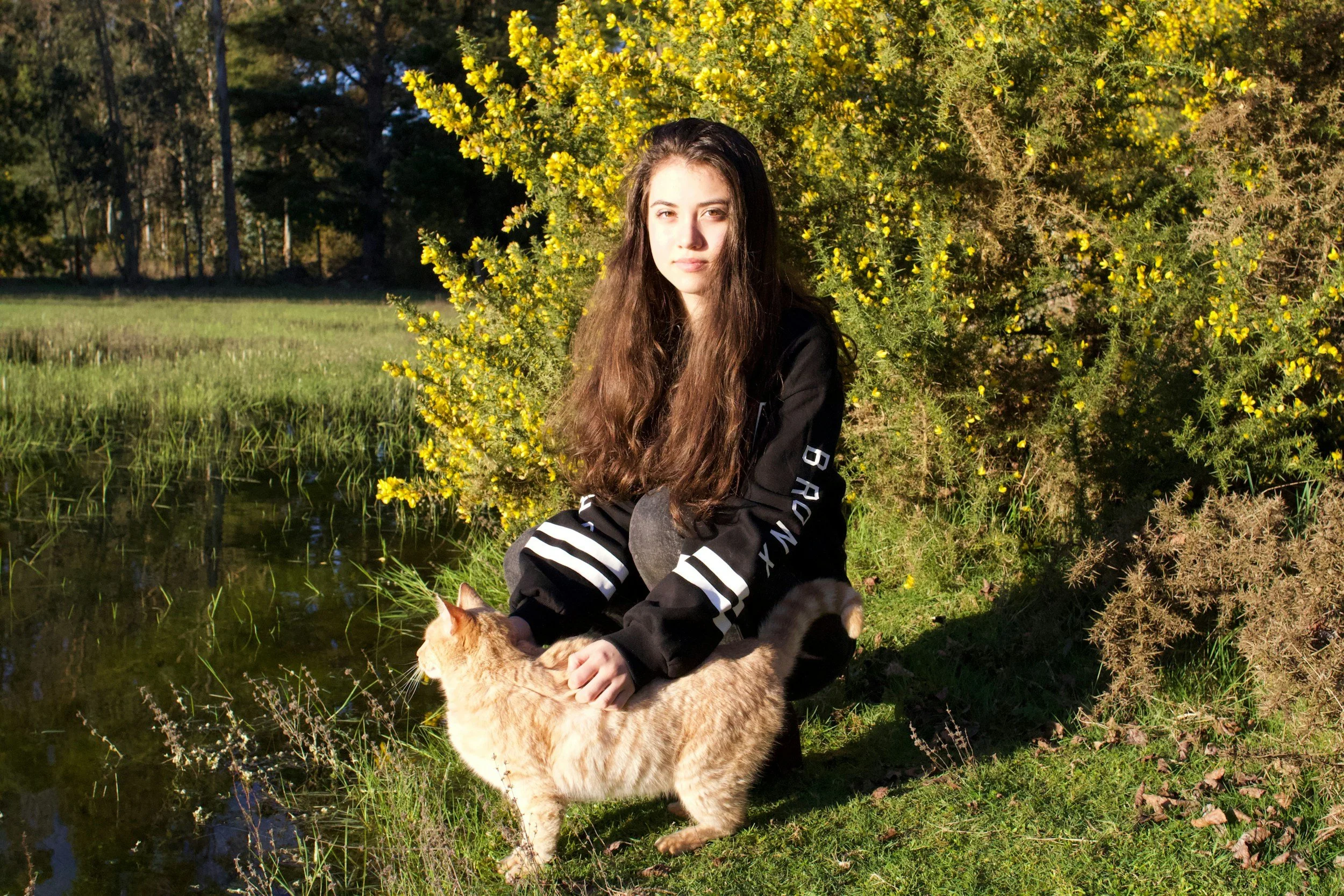
Validating All Their Feelings, Including the Unexpected Ones
Grief in teens can show up in ways that feel surprising or even uncomfortable; sadness, anger. guilt. relief and apparent indifference. These are all normal grief responses.
Some parents choose to say things like;
It is normal to feel angry or confused. We know you loved Buddy deeply. You do not have to hold it all together. I am here whenever you want to talk. Whatever you are feeling right now is okay. There is no right way to grieve.
Some parents feel it is helpful to let their teens see their own grief too. When adults model their own sadness and loss, it can give teens permission to feel theirs and it shows them that grief is not weakness, but love.
Creative and Reflective Outlets
Many teens process grief internally or through creative expression rather than conversation.
Some ideas that can help:
🐾 Journaling or writing letters to their pet
🐾 Drawing, painting, or making music
🐾 Creating a scrapbook or memory box
🐾 Walking in nature or physical movement to process feelings
🐾 Reading stories that explore themes of life, love, and loss
🐾 Quiet time to reflect without pressure to talk
These outlets can give grief somewhere to go.
Meaningful Rituals and Ways to Say Goodbye
Involving older kids and teens in farewell rituals can offer a sense of closure. It can be helpful to let them take the lead wherever possible.
Some ideas:
🐾 Hold a small candlelight memorial at home
🐾 Plant a flower, tree, or garden in your pet's honour
🐾 Make a photo album or memory box together
🐾 Write a letter to their pet and read it aloud or keep it private
🐾 Choose a special keepsake to remember them by
If your family has chosen private cremation and ashes are returned home, some teens find it meaningful to be part of deciding where those ashes rest or how they are honoured.

Maintaining Routine and Stability
Keeping up with school, meals, sleep, and everyday routines can provide structure and emotional safety during a time that can feel destabilising as it can offer a steady rhythm alongside the grief.
Many families feel that gentle check ins can work better than direct questioning for many teens.
Some parents choose to say things like:
How are you feeling about things today? I have been thinking about [Pet's Name] today. Have you?
Just knowing you are there without pressure can be a powerful comfort.
When to Seek Extra Support
Most teens will move through grief in their own time and in their own way. But sometimes extra support is needed so you might consider reaching out to a child psychologist, your GP, or a grief counsellor if you notice:
🐾 Ongoing sadness or withdrawal that does not ease over time
🐾 Significant changes in sleep or appetite
🐾 Difficulty focusing at school or at home
🐾 Anxiety, anger, or outbursts that feel out of proportion
🐾 Complete shutdown or disconnection from family and friends
Pet loss grief is real and valid grief. If your teen is struggling, support is available.
We’re Here to Help
At Love & Toe Beans, we offer gentle in-home euthanasia for cats and dogs, pet cremation, and grief support across Brisbane, Logan, Ipswich, Moreton Bay, and Redland Bay.
If your family is preparing to say goodbye to a beloved pet, or coping with the grief after, please know that you’re not alone. We’re here with kindness, compassion, and care for every member of your family, big or small.
Follow the links for more resources on:
Home Pet Euthanasia
Grief Support
Support for Families with Children
🧡
With Love (& Toe Beans),
The Love & Toe Beans Team
Home Pet Euthanasia, Pet Cremation & Grief Support - Greater Brisbane Region