
What the Brain Says About Losing a Pet: Why the Pain Feels So Deep
Love & Toe Beans - Gentle In-Home Pet Euthanasia, Pet Cremation & Pet Grief Support in Brisbane, Logan, Redland Bay, Moreton Bay & Ipswich
Understanding the Neuroscience of Pet Grief
If you’ve ever felt like the loss of your beloved pet hit harder than you expected, or even more deeply than the loss of a person, then you’re not alone. And no, you’re not overreacting.
Thanks to insights from neuroscience, we now understand what we already knew in our hearts to be true, that the grief we feel when a pet dies isn’t just emotional, it’s physical, neurological, and profoundly real.
At Love & Toe Beans, we support families across Brisbane with gentle at-home euthanasia for dogs and cats, pet cremation support and ongoing grief support. We’ve seen firsthand how deep this kind of heartbreak runs, and we believe that understanding the science of grief can help bring some comfort and validation to those left behind.
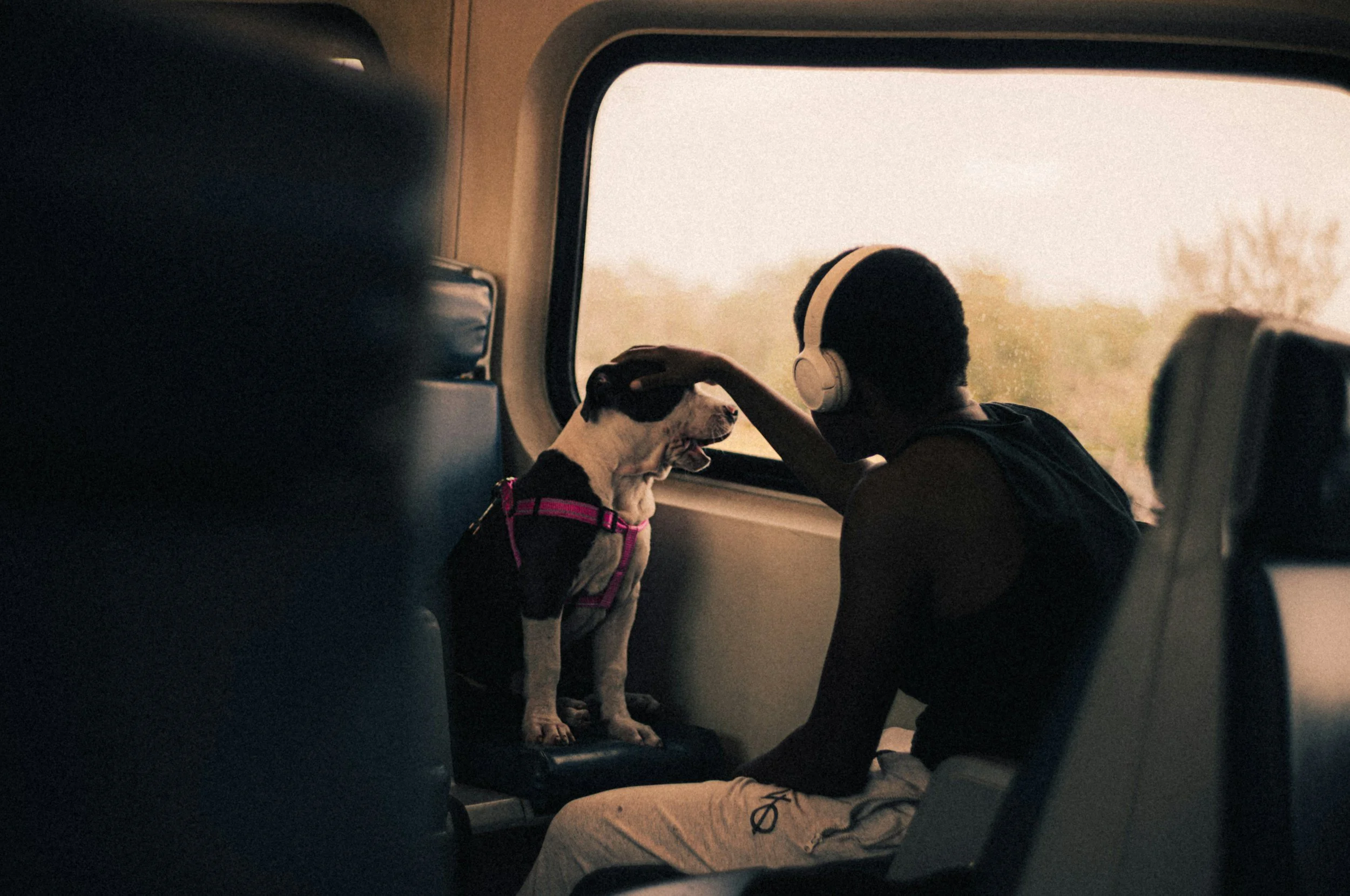
It’s Not “Just in Your Head”, It’s in Your Brain
When we care deeply for a pet, our brains change. Studies have shown that interactions with companion animals trigger the release of oxytocin, often called the "love hormone" which helps us form emotional bonds, feel safe, and experience calm and comfort.
Brain scans even show that when people look at their pets, the same regions of the brain light up as when they look at their loved ones. These regions are responsible for:
Emotional regulation
Attachment and bonding
Reward and comfort processing
This means that the love you feel for your pet isn’t small, or less than human love, it is genuine, deeply felt, and biologically reinforced through years of shared routine, touch, and connection.
Why Losing a Pet Feels So Devastating
When a pet dies, your brain undergoes a profound neurological disruption. Here’s why the pain can feel so heavy:
1. Disruption of Routine = Disruption of Safety
Our pets are part of our daily lives; they greet us, walk with us, eat with us, sleep near us and go through all of life’s ups and downs with us. That predictability gives our brains a sense of safety. When it’s suddenly gone, your nervous system may respond as if there’s danger or chaos, intensifying the emotional pain.
2. Attachment System Collapse-The Brain’s Attachment System Can’t Tell the Difference
The areas responsible for emotional attachment don’t care whether the connection was with a person or a pet. Losing your furry companion can activate the same neural pathways as losing a partner, parent, or child, leading to symptoms like fatigue, sadness, disrupted sleep, or numbness.
3. The Silence Is Loud
Pets communicate without words; through glances, facial expressions, posture and tail movement, footsteps, the sound of their breathing or tags jingling. When they’re gone, the silence can feel overwhelming. Your brain might keep listening for those familiar sounds. This is a normal part of how we process deep loss. These are natural neurological echoes of grief.
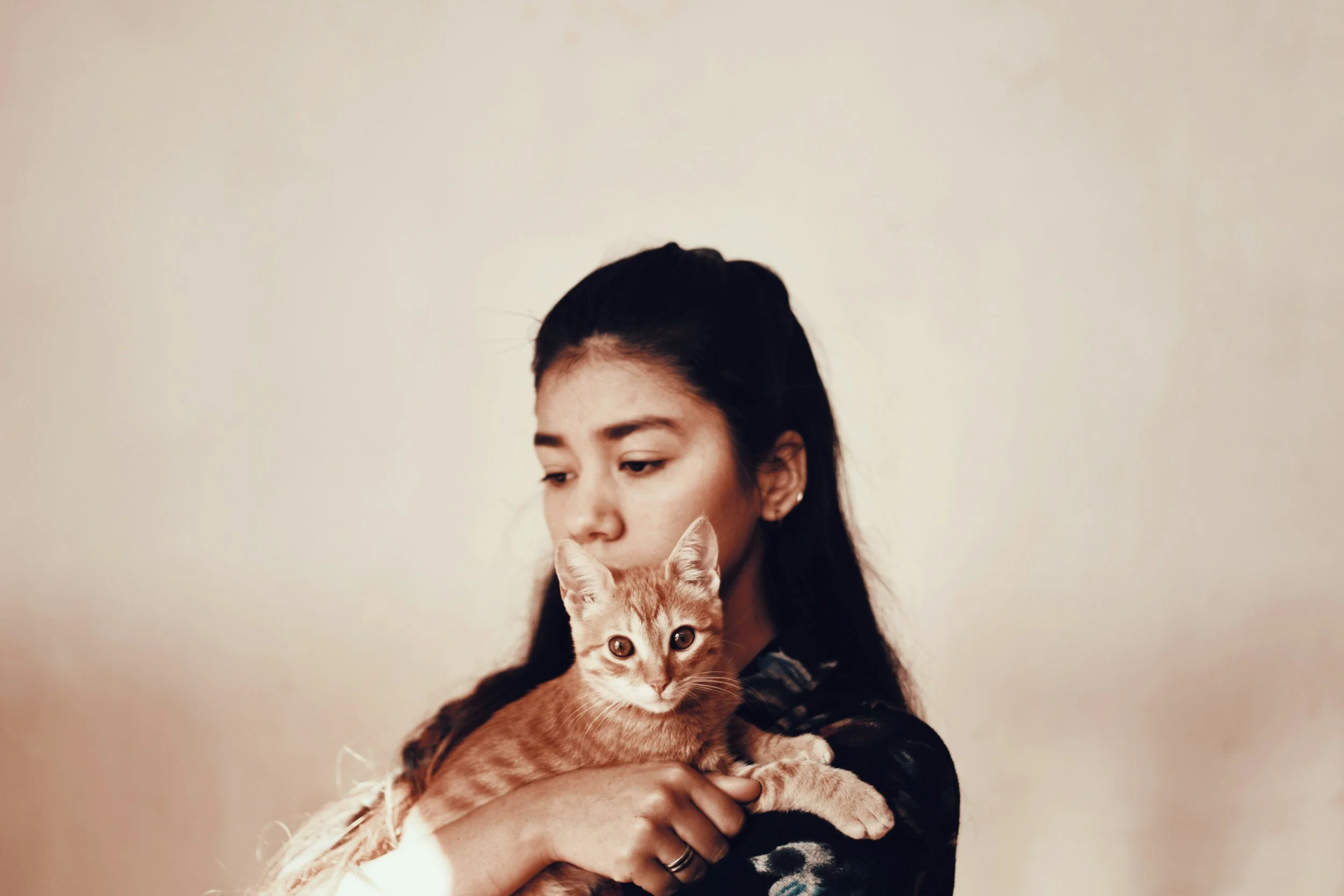
Sometimes Others Don’t Always Understand, And That Hurts Too
One of the most painful aspects of pet grief is that it’s often invalidated by others. This type of grief is known as disenfranchised grief, grief that isn’t always recognised by society, despite being just as real and impactful.
That disconnect between what you're feeling and what others expect you to feel can add layers of guilt or shame, especially when you're still grieving months or years later.
But here’s what your brain wants you to remember and what the research supports:
This grief is real.
This love was real.
And what you're feeling is a reflection of that deep bond.
At Love & Toe Beans, we’ve sat with countless Brisbane families and seen how profound these losses can be. We honour that grief, because it means love was there.
How to Support Your Healing Brain
There’s no way to rush grief. But there are gentle ways to support your brain and nervous system as you adjust to life without your beloved companion.
Create a simple ritual (like lighting a candle or writing a letter to your pet)
Share memories with people who understand
Visit places that feel comforting or familiar
Get outside for gentle movement, it can help regulate emotions
Nourish your body with sleep, food, and kindness
Allow yourself to cry, rest, and talk (even to your pet , it's okay)
And most importantly: take your time. There is no timeline. There is no "right way." There is only your way.
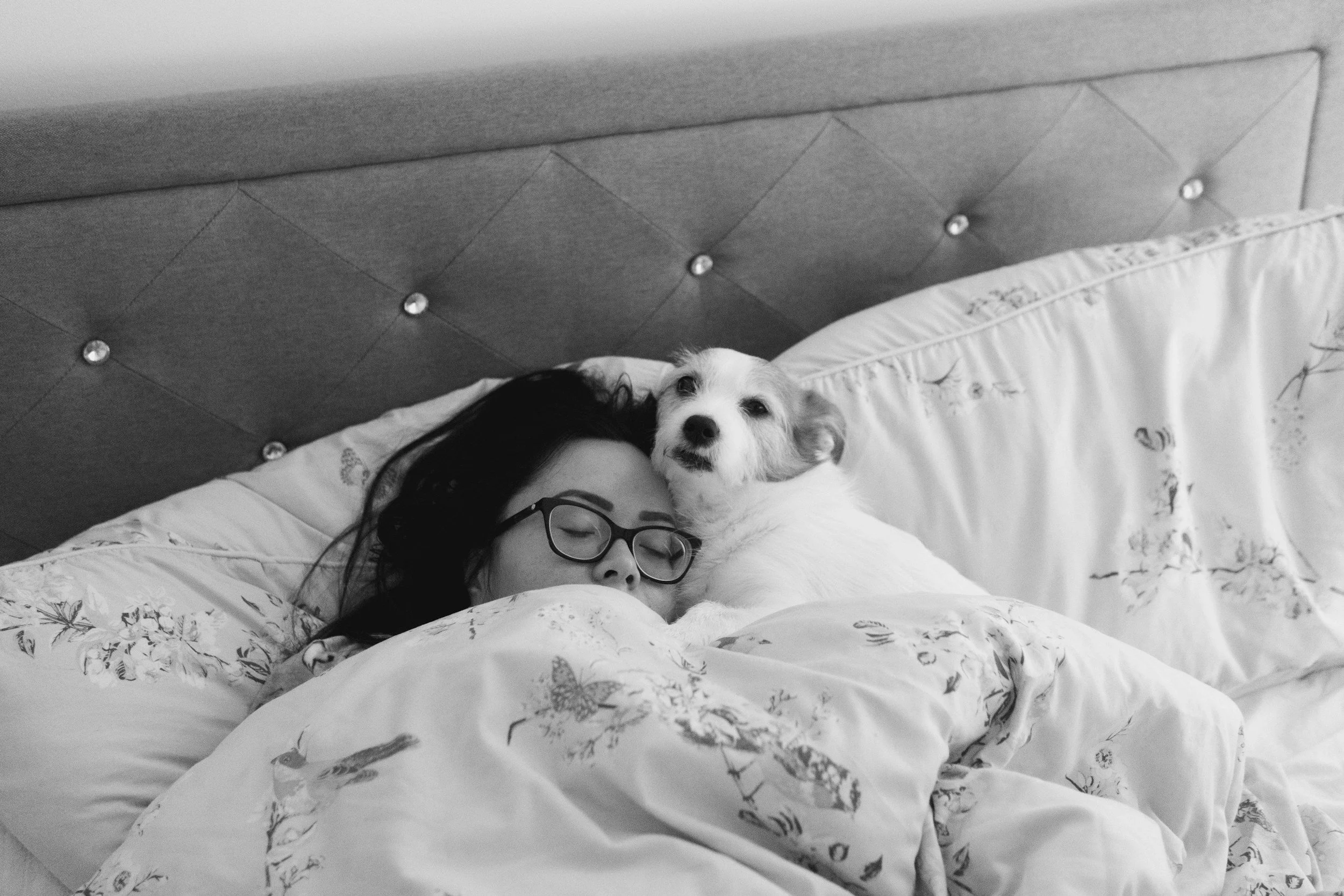
You’re Not Alone
At Love & Toe Beans, we hold space for the science and the soul of grief. The way your brain loved your pet and the way it’s mourning them now is both beautifully human and deeply valid. We’re here for Brisbane families through every stage, from difficult decisions about in-home pet euthanasia, to gentle support and grief care afterward.
If you’d like to share your pet’s story or photo, we welcome you email them to us. To join our Memory Garden here - a safe, compassionate space for remembering and celebrating the animals who changed our lives.
You can also explore our grief resources → here or reach out to us any time for support.
Because when love is this deep, the loss is never small.
And neither are the memories. 💛
With love (and all the toe beans),
The Love & Toe Beans Team
Home Dog & Cat Euthanasia • Pet Cremation • Grief Support • Greater Brisbane