
🐾 Part 1 of 4: What Quality of Life Really Means for Your Pet Beyond survival, beyond the food bowl, and why it matters
Love & Toe Beans | Pet Quality of Life | Brisbane Home Pet Euthanasia | Greater Brisbane Region
This is Part 1 of a 4 part series on understanding and assessing your pet's quality of life. If you have arrived here mid series, you are welcome to start from the beginning or continue from wherever feels right.
Part 1: What Quality of Life Really Means for Your Pet
Part 2: How to Assess Your Pet's Quality of Life
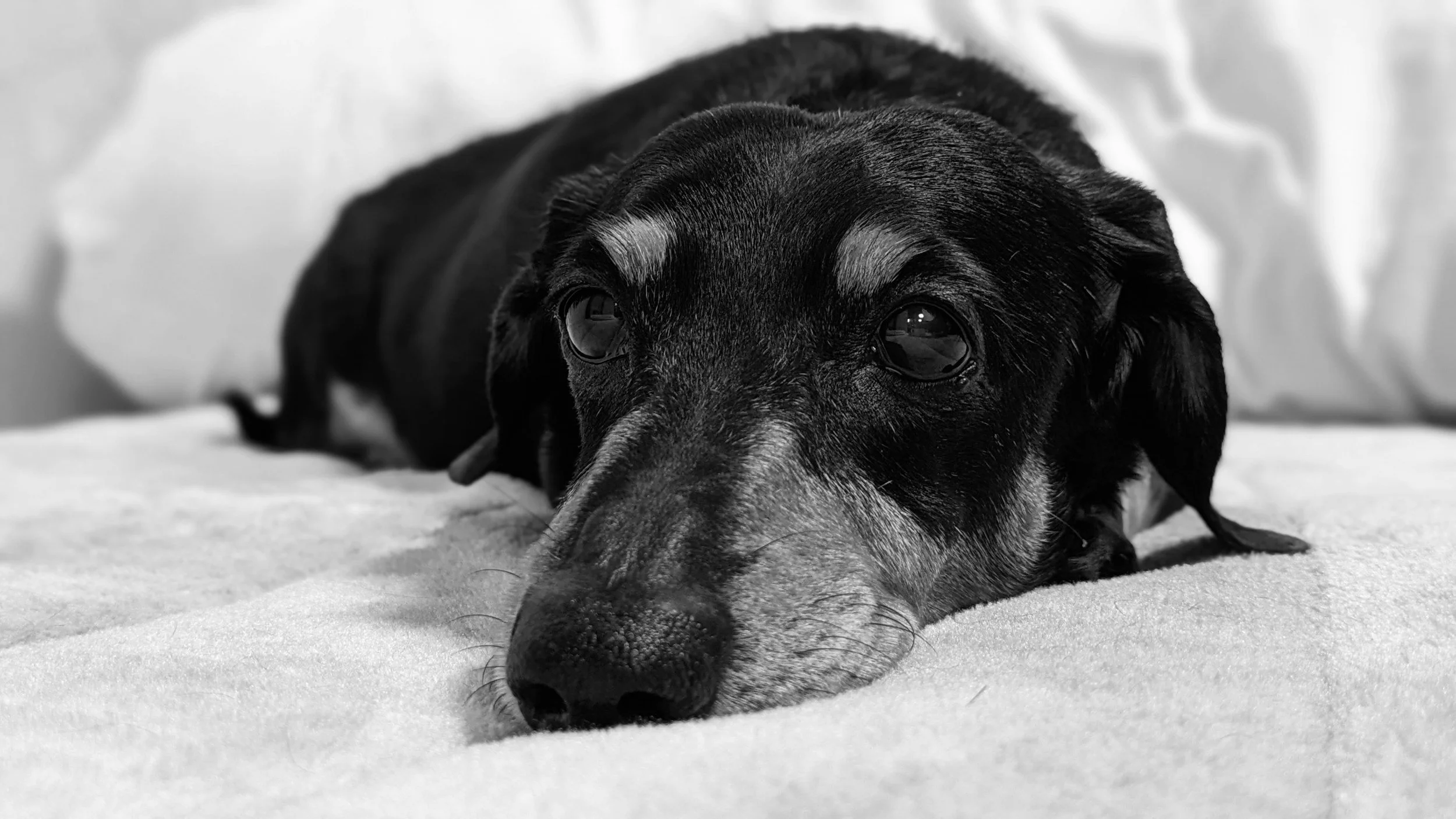
There is a question that sits quietly in the heart of almost every pet parent navigating a beloved companion's illness, decline, or old age.
Not the practical questions, though those come too. But a deeper, more tender one.
Is my pet still okay?
Not just alive, not just existing, but truly okay.
That question is at the heart of what quality of life means. And it is far more nuanced, more complex, and more important than any checklist or scoring system can fully capture.
At Love & Toe Beans, we support families across Brisbane, Logan, Ipswich, Redland Bay and Moreton Bay through some of the hardest decisions a pet parent will ever face. And in our experience, the families who struggle most are the ones who care so deeply that they cannot see clearly.
We are not here to tell you what to do. Instead, we are here to help you find your way through one of the most profound and tender chapters of loving a pet.
💛 What Does Quality of Life Actually Mean?
Quality of life is one of those phrases that gets used a lot in veterinary medicine, but what does it actually mean?
At its most basic, quality of life is the overall sense of wellbeing your pet experiences. Not just whether they are alive, but whether they are living in a way that feels worth living.
It encompasses:
🌿 Physical comfort- Are they free from pain, or is pain a constant presence in their days? Can they breathe easily, move without distress, and rest without discomfort?
🌿 Emotional wellbeing- Do they still feel safe, connected, and engaged with the world around them? Or are they withdrawing, confused, anxious, or checked out?
🌿 Dignity- Can they maintain the basic functions of daily life with some degree of independence? Or has the loss of control over their body begun to affect how they feel about themselves and their world?
🌿 Joy- Are there still moments of genuine pleasure? A tail wag, a happy purr, an interest in food, a response to your voice? Or have those sparks grown dim?
🌿 Connection- Do they still seem present with you, in the relationship you have always shared? Or do they feel somehow distant, as though a part of them has already begun to let go?
Quality of life is not a single thing. It is physical comfort, emotional wellbeing, dignity, and connection, all woven together into a picture of how your pet is truly experiencing their days.
🍽️ Why Eating and Drinking Are Not Enough
One of the most common things we hear from families navigating this time is some version of:
"But they're still eating, so they must be okay."
And it is such an understandable thing to hold onto. Eating feels like life and it feels like hope. It feels like proof that things are not as bad as they might seem.
But eating and drinking, while important, are not the full picture.
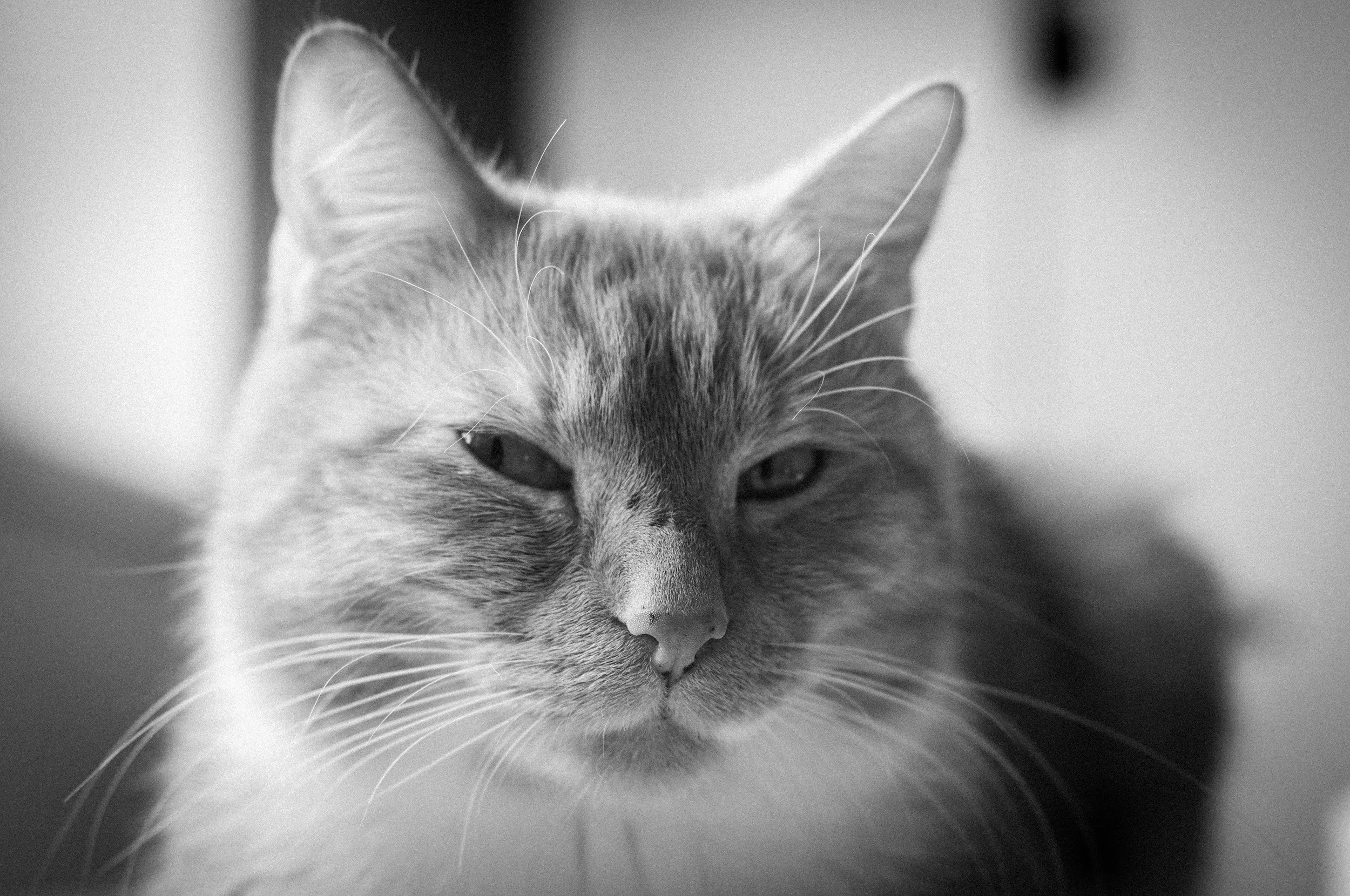
Pets can continue to eat out of habit, out of instinct, or out of a deep desire to please the people they love, even when they are not truly comfortable. A cat who is in pain may still accept food if it is offered by hand. A dog who is suffering may still wag their tail at mealtimes because that wag is as instinctive as breathing.
Eating tells you one thing. It does not tell you everything.
The same is true of other visible signs of life; drinking, going to the toilet, even tail wags and purrs. These things matter, but they exist within a much larger and more complex picture.
For a deeper exploration of this specifically for dogs, please see our blog "But They're Still Eating and Wagging Their Tail."
For cats, please see "But My Cat Is Still Eating and Purring."
💔 The Emotional Side of Suffering
Animals are remarkably stoic. Unlike many humans, they often do not cry out in obvious pain. They may not tell us they are struggling. Instead, they may carry it quietly, often masking their discomfort in ways that can make it very hard for the people who love them to see clearly.
A pet can be in significant pain and still greet you at the door. A cat can be deeply unwell and still purr. A dog can be suffering and still wag their tail.
This is a survival instinct, honed over thousands of years, teaching them to mask weakness. This means that by the time we notice something is wrong, they may have been carrying it for far longer than we realise.
Emotional suffering is just as real as physical suffering, and just as important. A pet who is confused, anxious, disconnected, or no longer themselves is suffering, even if their bloodwork looks reasonable and they are still eating.
For more on understanding stoic pets and what their body language can tell you, please see our blog "When Their Eyes Still Light Up."
🌿 Dignity Matters
Dignity is not a human-only experience. Many pets, particularly those who have always been proud, independent, and self-sufficient, experience genuine distress when they lose control over their bodies.
A dog who can no longer get outside to toilet, a cat who cannot reach her litter tray or a pet who is lying in their own waste, unable to move, unable to clean themselves. These are not just practical problems. They are experiences that affect how a pet feels about themselves and their world.
When dignity begins to fade, it often brings with it confusion, anxiety, and a kind of quiet shame that is hard to witness and harder to measure on any scale.
✨ The Spark
There is something that experienced vets and pet parents often talk about that does not appear on any quality of life scale. It is sometimes called the spark, that indefinable light in your pet's eyes that tells you they are still present, still engaged, still themselves.
When the spark is there, even on hard days, it tells you something important. When it begins to fade, that tells you something too.
It is not something you can measure. But you will know it when you see it and you will feel it when it starts to go.

📊 A Note on Quality of Life Scales
You may have come across tools like the HHHHHMM Scale, which assesses Hurt, Hunger, Hydration, Hygiene, Happiness, Mobility, and More Good Days Than Bad. These tools can be a helpful starting point for organising your thoughts and beginning to look at your pet's wellbeing in a structured way.
But they have significant limitations, and it is important to understand those limitations before you put too much weight on a score.
A pet can score reasonably well on a quality of life scale and still be suffering. A pet can tick most of the boxes and still be having a poor quality of life in ways that numbers cannot capture. Emotional suffering, loss of dignity, confusion, anxiety, and the fading of that spark are not things that translate easily into a numerical score.
We will go much deeper into the scale, its uses, and its limitations in Part 2 of this series. But for now, the most important thing to know is this: quality of life is not a number. It is a picture and it requires looking at the whole canvas, not just the parts that are easiest to see.
Continue to Part 2: How to Assess Your Pet's Quality of Life
🧡 You Are Not Alone in This
Navigating your pet's quality of life is one of the hardest things a pet parent will ever do. It is filled with uncertainty, love, grief, hope, and doubt, often all at once.
At Love & Toe Beans, we offer Quality of Life consultations, both over the phone and in-home across the Greater Brisbane Region, for families who need a gentle and informed outside perspective. We are here to listen, to support, and to help you find some clarity, without pressure and without judgement.
📞 1800 823 267 🌐 www.loveandtoebeans.com.au
📚 For more resources on pet quality of life, please visit our resources page.
📋 For our downloadable Quality of Life Tracker, click here.
Next in the series: Part 2: How to Assess Your Pet's Quality of Life
Related reading:
"But They're Still Eating and Wagging Their Tail"
"But My Cat Is Still Eating and Purring"
"When Their Eyes Still Light Up"
"When Doing Everything Isn't Always the Kindest Choice"
🐾 With love, '
Love & Toe Beans
Love & Toe Beans provides Quality of Life consultations, gentle in-home pet euthanasia, pet cremation, and grief support across the Greater Brisbane Region including Brisbane, Logan, Redland Bay, Ipswich and Moreton Bay.