
🧸 Saying Goodbye with Love: Helping Little Ones Understand When a Pet Dies
Love & Toe Beans - Brisbane Home Pet Euthanasia, Pet Cremation & Grief Support, Greater Brisbane Region
Losing a beloved pet is heartbreaking for the whole family, including the smallest members. Toddlers and preschoolers may not fully understand what death means, but they feel the absence, the changes in routine, and the emotions around them.
At Love & Toe Beans, we walk alongside families across Brisbane, Logan, Ipswich, Redland Bay, and Moreton Bay, supporting parents and carers as they navigate the difficult decision of euthanasia or cope with the recent loss of a cherished pet. We understand how deeply children feel this loss and how important it is to guide them gently through their grief.
In this post, we’ll explore age-appropriate ways to talk with young children about pet loss, using clear, honest language, comforting routines, and tender support to help them feel safe, loved, and held through this time.

Use Simple, Honest Language
Young children can think very concretely. Abstract phrases like “went to sleep” can confuse or frighten them. Instead, you may consider trying gentle honesty:
“Our dog, Max, was very sick, and the vet helped him so he doesn’t hurt anymore.”
“When someone dies, their body stops working. They don’t feel pain or sadness anymore.”
🚫 Avoid euphemisms like “put to sleep” as kids might take things literally or might worry about going to bed themselves.
It’s okay to say “death” and “dying” when you pair those words with love and reassurance. Children tune into your feelings more than just your words.
What They Might Ask (and How you may Consider Responding)
Toddlers learn by asking the same questions over and over. This is completely normal and part of how they begin to understand big concepts like death.
“When is Max coming back?”
“Max isn’t coming back because he died. That means his body has stopped working and he can’t come back. But we can still remember him, look at photos, and talk about him whenever we want.”
“Why?”
“His body was very sick / very old / too hurt, and it stopped working. We couldn’t fix it.”
“Can I die too?”
“Right now you are healthy and safe, and we are here to look after you. Most people and pets live until they are very old.”
Keep your answers simple, honest, and calm. It’s okay to repeat yourself many times. What children need most isn’t perfect wording, it’s reassurance, safety, and lots of cuddles while they make sense of something very big.
❤️ Make Time for Goodbye
Even if your child doesn’t fully understand, creating a small goodbye ritual can help them process what’s happened:
🐾 Draw a picture of your pet together.
🌼 Plant flowers or a tree to honor your pet.
📸 Look through photos and share your favourite memories.
❤️Build a shrine together, using keepsakes like favourite toys, fur clippings and photos.
These rituals offer a gentle way to express feelings and keep your pet’s spirit close.
🧸 Offer Comfort Through Routine
Loss can feel unsettling for little ones. Keeping familiar routines; meals, bedtime stories & cuddles helps provide stability when everything feels different.
Introduce new rituals that honour your pet’s memory:
Say “Goodnight” to a photo.
Light a battery-operated candle at dinner.
Share a happy memory during bath time.
Children feel safest when their world has a gentle rhythm and their feelings are met with warmth.
Sensory Support Ideas for Comforting Little Ones
Preschoolers experience emotions through touch and routine. Try these comforting ideas:
🐾 Offer a new stuffed animal as a “comfort buddy,” maybe even name the teddy after your pet.
✍️ Set up art time to draw or paint pictures of your pet and talk about what they meant to you both.
🕯️ Light a battery-operated candle daily, say a few kind words to remember your pet.
🌈 Create a cozy “comfort corner” with pillows, books, and stuffed animals for quiet moments.
📸 Make a simple scrapbook with photos and memories your child helps add to.
These activities help make the feelings of loss more tangible and manageable.
Gentle Grieving Takes Time
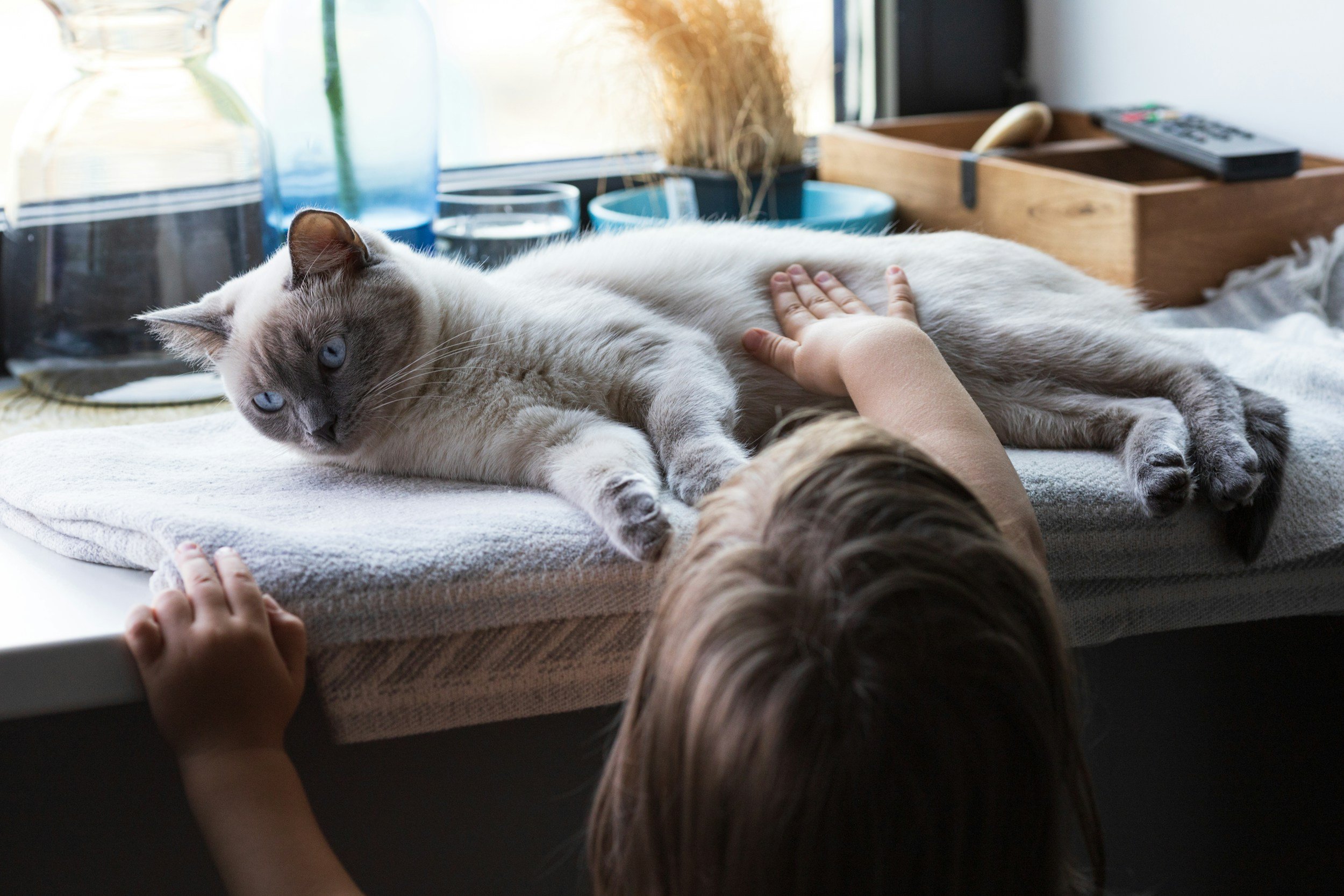
Your child may seem okay one moment and upset the next and that’s perfectly normal. Children’s grief comes in small bursts, not long waves.
Let them see your own sadness. Showing your feelings teaches them it’s okay to grieve and that love and loss are part of life.
“I feel sad because I miss Max. He was such a good dog. It’s okay to feel sad when someone we love dies.”
Holding Their Hearts with Care
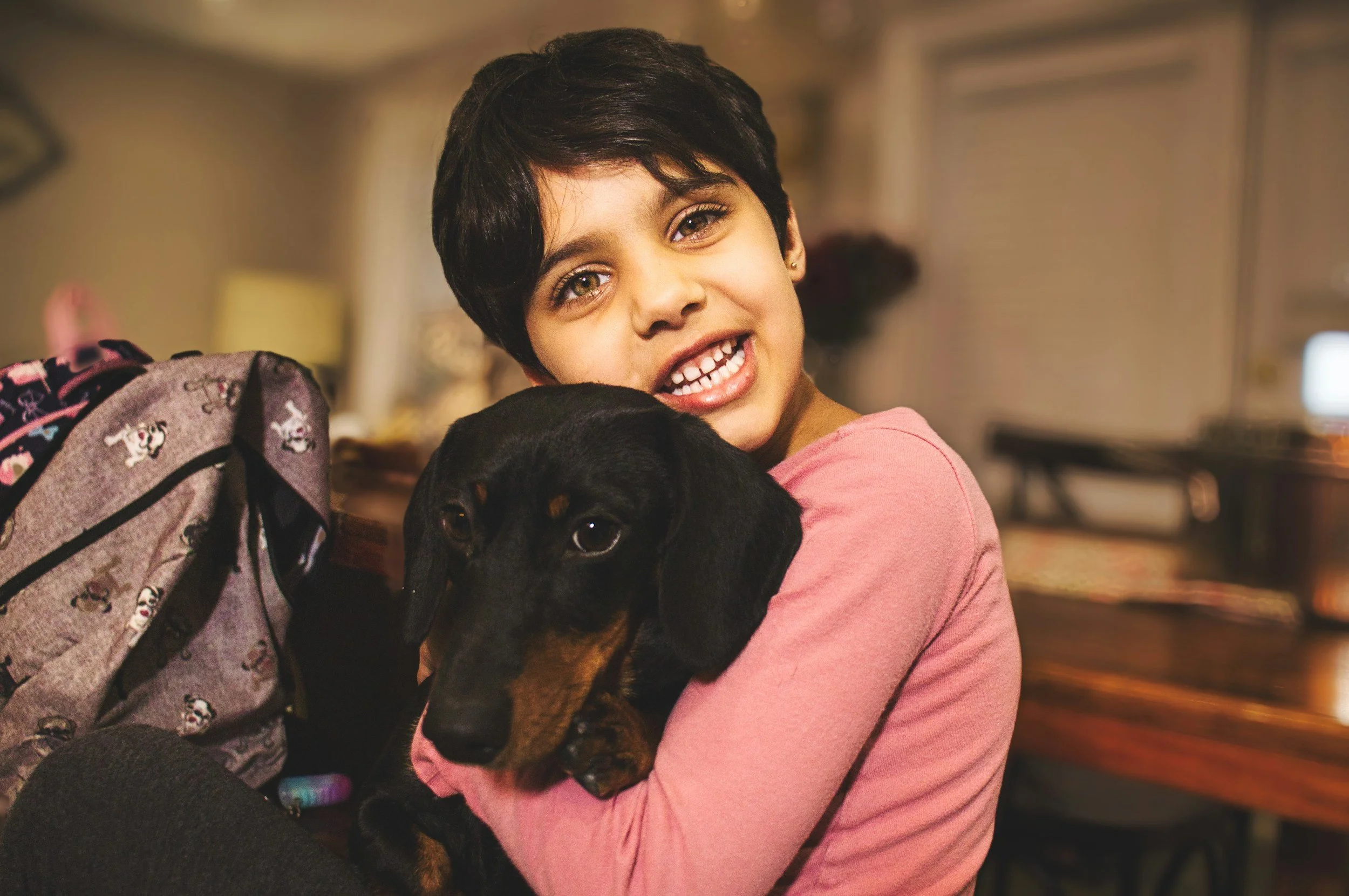
Saying goodbye to a beloved pet is one of life’s hardest moments, especially when helping little ones understand. With honest words, steady routines, and endless love, you can guide your child through grief in a way that feels safe, comforting, and meaningful.
They may not remember every word you say, but they will carry the feeling of being loved, seen, and supported in their hearts forever.
🧡 With all our love and gentle support,
The Love & Toe Beans Team
For more grief support and family support resources, click here.
Love & Toe Beans - Brisbane gentle home pet euthanasia, Brisbane pet cremation, pet grief support, pet quality of life - serving families across the Greater Brisbane region, including Brisbane, Logan, Ipswich, Redland Bay, and Moreton Bay.