
🌈🐾 Osteoarthritis in Cats: What It Means, How to Help, and When to Consider Saying Goodbye
Love & Toe Beans | Cat Health & Illness Guides | Greater Brisbane Region
Love & Toe Beans provides gentle in-home pet euthanasia, quality of life consultations, pet cremation, and grief support across the Greater Brisbane Region including Brisbane, Logan, Redland Bay, Ipswich and Moreton Bay.
A note from Dr Emma:
Of all the conditions I see in cats, osteoarthritis is the one that troubles me most in terms of how often it goes unrecognised. Cats are the masters of disguise when it comes to pain. They do not always limp the way people may do and they often do not cry out. They may simply and quietly withdraw, stop jumping, stop grooming and stop being themselves and because it can happen so gradually, it is easy to mistake for normal aging.
If you are reading this because something feels different about your cat, please trust that feeling. You know your cat and that quiet sense that something has changed is worth paying attention to. 🧡
If your cat has been diagnosed with osteoarthritis or if you have noticed them moving more stiffly, grooming less, or avoiding their favourite high spots, you are not alone. Osteoarthritis is far more common in cats than most people realise, and it is one of the most significantly under treated conditions in feline medicine.
At Love & Toe Beans, we walk alongside families across Brisbane, Logan, Ipswich, Redland Bay and Moreton Bay through every stage of their pet's health journey. This blog is here to help you understand what osteoarthritis means for your cat, what options are available, and how to keep quality of life at the centre of every decision you make.
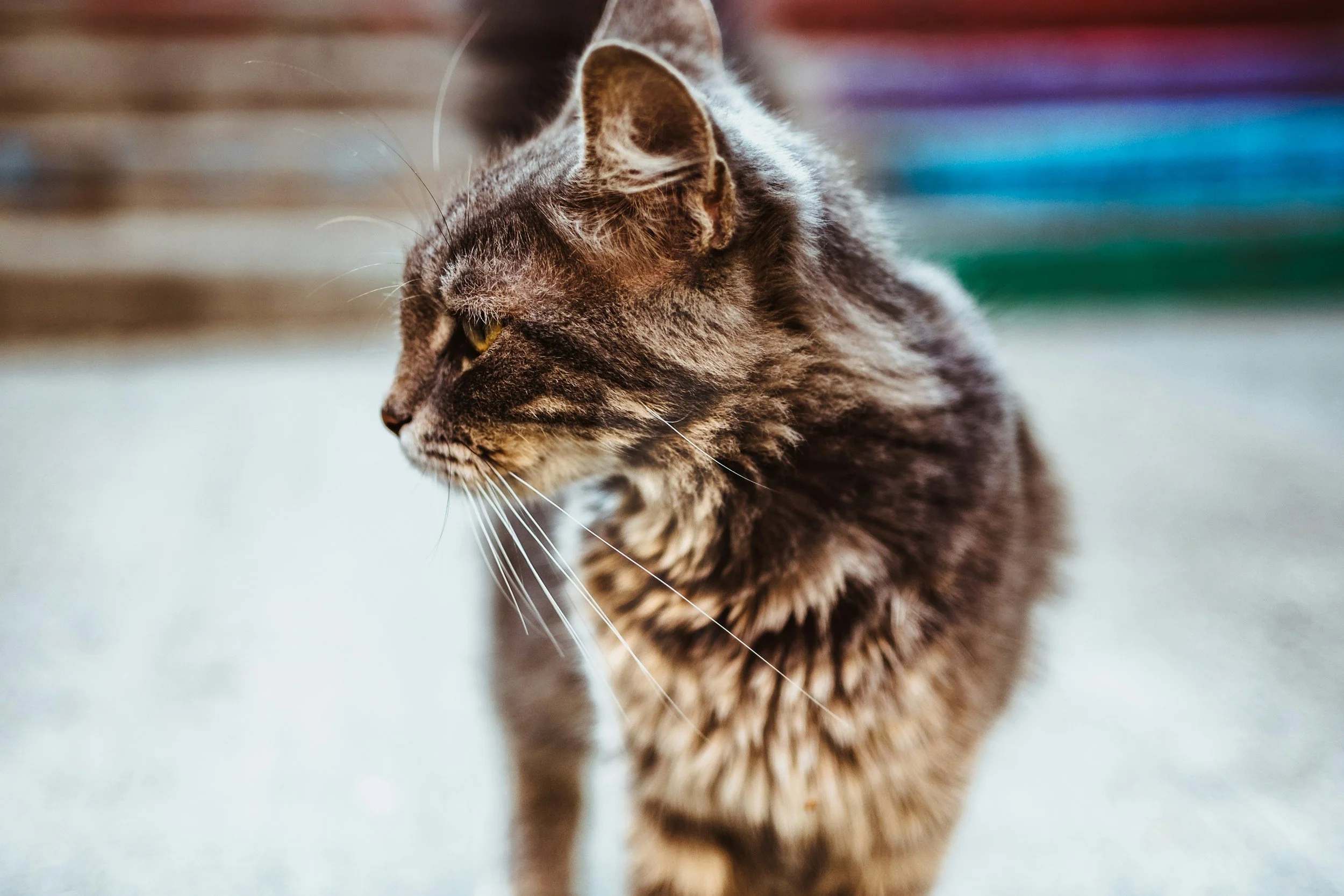
🌸🐈 What Is Osteoarthritis?
Osteoarthritis, also known as degenerative joint disease, is a progressive condition that affects the joints. In a healthy joint, smooth cartilage cushions the ends of the bones, allowing comfortable and fluid movement. In a cat with osteoarthritis, that cartilage gradually breaks down over time. As it wears away, the bones begin to rub against each other, causing inflammation, pain, and a gradual reduction in mobility.
The most commonly affected joints in cats are the elbows, hips, stifles (knees), and spine. The hocks and shoulders can also be involved.
Osteoarthritis can affect any cat of any breed, size, or background. Studies suggest that up to 90 percent of cats over 12 years of age have radiographic evidence of osteoarthritis, making it one of the most universal conditions of the aging cat. Because cats are so extraordinarily good at hiding pain and discomfort, many families do not realise their cat is affected until the condition is already quite advanced.
🔍💛 How Is It Diagnosed?
Diagnosing osteoarthritis in cats can be more challenging than in dogs, precisely because cats mask their pain so effectively. Many cats will not show obvious lameness or limping even when they are in significant discomfort.
Your veterinarian will assess your cat through a combination of information you provide, physical examination and imaging.
During the physical exam, your vet will observe how your cat moves, assess their gait, and palpate the joints to feel for swelling, reduced range of motion, crepitus (a grinding sensation), muscle wasting, areas of matted fur and pain responses. Many cats will not react dramatically to joint palpation even when painful, so a thorough and experienced examination is important.
Radiographs are the most common imaging tool used to confirm osteoarthritis in cats. They can show changes to the joint including bone spurs, narrowing of the joint space, and changes to the joint capsule. As with dogs, the severity of radiographic changes does not always correlate with the level of pain your cat is experiencing.
A detailed history from you as the person who knows your cat best is one of the most valuable diagnostic tools available. Your observations about changes in behaviour, mobility, grooming, and daily habits are enormously helpful.
💊🩵 Treatment Options
Managing osteoarthritis in cats requires a thoughtful and tailored approach. Cats are not small dogs and many medications used in dogs are not safe for cats. All treatment decisions should be made in close consultation with your veterinarian.
Pain management is central to treatment. Options that may be considered include:
💊 Meloxicam - an NSAID (Non-steroidal anti-inflammatory drug) that can be used carefully in cats with appropriate monitoring of kidney function
💊 Pregabalin - used for neuropathic/spinal pain and chronic pain management 💉
💉 Solensia - a monthly injection specifically developed for cats targeting a pain pathway involved in osteoarthritis, a significant advance in feline pain management
💉 Cartrophen (pentosan polysulfate) - injectable joint support treatment
💉Ketamine injections- low dose monthly ketamine injections can help manage chronic pain and improve quality of life
🌿 CBD oil - increasingly used for pain and inflammation, discuss appropriate dosing carefully with your vet as cats metabolise things differently
🐟 Omega 3 fatty acids - good evidence for anti-inflammatory effects and generally well tolerated in cats
🔦 Laser therapy - low level laser therapy can help reduce inflammation and pain in affected joints and is increasingly available through veterinary practices and physiotherapy centres.
⚖️ Weight management - maintaining a healthy weight reduces load on compromised joints. Even modest weight loss can result in meaningful improvement in comfort and mobility.
🪡 Acupuncture is used by some veterinary practitioners and may offer additional pain relief for some cats.
🐱 Physiotherapy and massage - to help manage pain and build and maintain strength
🏡 Environmental modifications are particularly important for cats with osteoarthritis and can make an enormous difference to daily comfort and independence. Small changes at home can go a long way:
🪜 Ramps or steps so they can still reach their favourite spots, especially warm sunny windowsills
🥣 Elevated food and water bowls to ease strain on the neck and spine
✂️ Regular nail trims, especially for indoor cats. As cats age they lose some ability to retract their claws, and long nails can catch on carpet, rugs and furniture
🧸 Gentle trimming of matted fur. Mats can pull on the skin and add to discomfort, making it even harder for a sore cat to move freely
🛏️ A soft, supportive bed suited to aching joints
🚽 Low sided litter trays that are easy to step into
🪟 A safe resting spot with a view outside. Watching birds or the garden can be genuinely soothing
🎾 Gentle play they still enjoy, keeping their mind and body active and helping you stay connected
🤲 Gentle massage, which can ease tension and double as a lovely bonding moment
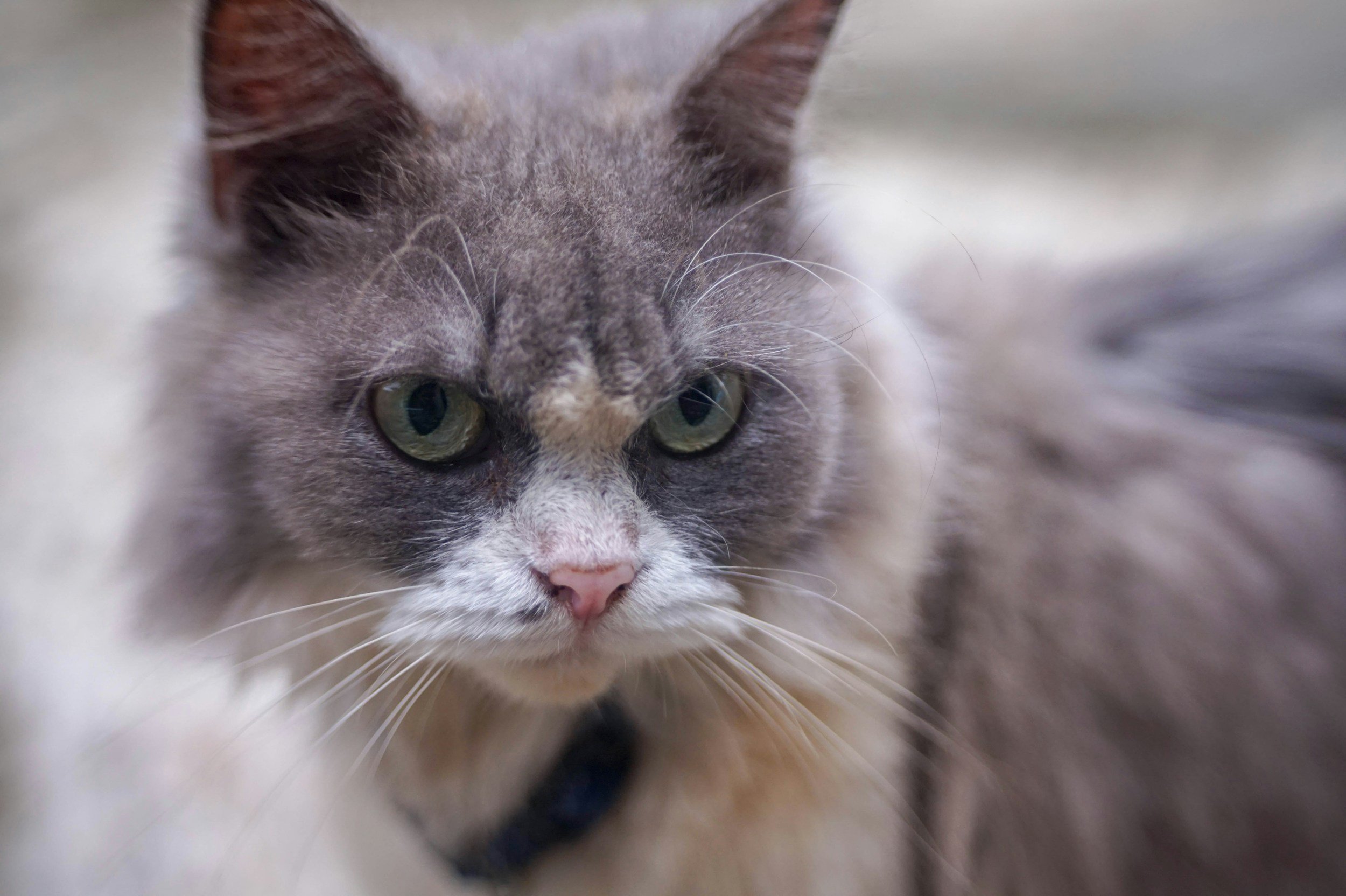
🐾💛 A Note on Pain and the Stoic Cat
Cats are perhaps the most stoic of all our companion animals when it comes to pain. They rarely limp obviously and instead, they simply adapt. They stop jumping to their favourite spots. They groom less, or stop grooming certain spots or their whole body entirely. They become quieter, more withdrawn, less interactive and they sleep more. They stop doing the things that used to bring them joy.
These changes can be so gradual and so subtle that they can be almost impossible to see when you are with your cat every day and if you don’t know what signs to look for. What you may interpret as your cat simply getting older and quieter may in fact be a cat who is in chronic pain and has found quiet ways to manage it.
Signs of pain in cats that may be easy to miss or to normalise:
❤️ No longer jumping to previously favourite high spots
🧡 Reluctance to use the litter tray, particularly if it has high sides
💛 Reduced or absent grooming, particularly of the hindquarters, spine and tail
💚 Sleeping more than usual or in different, lower spots
💙 Being less interactive or less interested in play
💜 Subtle changes in personality, being more irritable or less affectionate
🩷 Matted or unkempt coat despite previously being a meticulous groomer
🤍 A general sense of flatness or withdrawal from family life
If you are noticing any of these signs, a conversation with your vet about pain assessment and management is always worthwhile.
For more on how cats communicate pain and discomfort through body language, please see our blog "When Silence Speaks Volumes."
For more on stoic pets and what their behaviour can and cannot tell you, please see our blog "When Their Eyes Still Light Up."
📈🧡 What to Expect as It Progresses
Osteoarthritis is a progressive condition, which means it will worsen over time. The rate of progression varies significantly from cat to cat and depends on factors including which joints are affected, the severity of the disease, your cat's weight, and how well the condition is managed.
In the early stages, changes can be very subtle. Your cat may be slightly less active, slightly less inclined to jump, or slightly less engaged. These early signs can be easy to miss.
As the condition progresses, the changes become more noticeable. Your cat may stop jumping altogether, have difficulty getting in and out of the litter tray, groom less effectively, or become more withdrawn. They may sleep in lower, more accessible spots and avoid areas of the home that require jumping or climbing. They may have matted fur in areas that are painful or difficult for them to groom.
In the later stages, osteoarthritis can significantly affect your cat's ability to move, toilet independently, and groom themselves. Pain may become harder to manage even with medication. Muscle wasting can occur, particularly in the hindquarters. The condition can have a profound impact on quality of life.
🌿💛 Quality of Life Considerations
Osteoarthritis is one of the conditions where quality of life assessment is particularly important for cats, because the decline is so gradual and because cats are so good at masking how they are truly feeling.
Some things worth reflecting on as your cat's condition progresses:
🌸 Is their pain being adequately managed? Are they comfortable, or do they seem to be in discomfort despite medication?
💛 Can they still access the things they need? Can they reach their litter tray, food and water, and their favourite resting spots?
🩵 Can they still groom themselves? Do they have matted fur? A cat who can no longer groom is often a cat who is struggling significantly.
🌿 Are they still engaging with you and with life? Do they seek affection, respond to your voice, and seem present in the relationship you share?
💜 Are they still able to maintain their dignity? Is litter tray access becoming a problem, or are they having accidents?
🧡 Are there still good days? And when good days do happen, do they feel truly good, or just less bad?
🌻💛 The Emotional Weight of Watching Them Change
Watching a cat you love slow down, withdraw, and change is one of the most quietly heartbreaking experiences a pet parent can go through. Cats often become more distant as their pain increases, which can feel like a loss of the relationship even before the physical loss comes.
If you are finding it hard, if you are grieving the cat they used to be while still loving the cat they are now, that is completely normal. That is anticipatory grief, and it is real and valid and deserves acknowledgement.
You do not have to carry that alone. We are here to talk it through whenever you need. 🧡
For more on the emotional experience of navigating this time, please see our blog on “A Gentle Guide for Families Preparing for a Home Pet Euthanasia Visit”
For a deeper exploration of quality of life assessment, please see our Quality of Life blog series. For our downloadable Quality of Life Tracker, click here.
🌈🐾 Signs That Things May Be Changing
Here are some signs that your cat's osteoarthritis may be progressing and that a reassessment of their quality of life may be worthwhile:
❤️ Pain that is no longer adequately managed by their current medications
🧡 Significant difficulty moving, rising, or finding a comfortable position to rest
💛 Reluctance to move, spending almost all their time in one spot
💚 Significant muscle wasting
💙 Litter tray accidents due to difficulty accessing or using the tray
💜 Complete cessation of grooming or severely matted and unkempt coat
🩷 Loss of interest in food, interaction, or any form of engagement
🤍 A general sense that they are no longer enjoying their days or that the spark has gone
If you are noticing any of these signs, it may be time to have a deeper conversation about your cat's quality of life and what the most compassionate path forward looks like.
🐈💬 Questions Families Often Ask
🐟 My cat is still purring. Does that mean they are not in pain?
Not necessarily. Cats sometimes purr when they are in pain or distress as a self-soothing mechanism. An increase in purring, particularly alongside other signs of discomfort, can actually be a sign that your cat is struggling rather than content. Purring alone is not a reliable indicator of comfort or wellbeing.
🐟 My cat has stopped jumping but seems otherwise okay. Should I be worried?
A cat who has stopped jumping to previously favourite spots has usually stopped because jumping hurts. This is worth a conversation with your vet about pain assessment and management. Cats adapt to pain by avoiding activities that cause discomfort, which means that by the time this change has been noticed, the pain may have been present for some time.
🐟 How do I know if my cat's pain medication is working?
Signs that pain medication may be working include a return to some previously avoided activities, improved grooming, more interaction and engagement, and a generally brighter demeanour. Signs that it may not be working well enough include ongoing reluctance to move, continued withdrawal, poor grooming, or a cat who seems flat despite medication. Pain management often needs to be adjusted over time, so regular check ins with your vet are important.
🤍🕊️ When to Consider Home Euthanasia
For many families with cats living with advanced osteoarthritis, the question of euthanasia will eventually arise. And because cats mask their pain so effectively, families often reach this point having underestimated how much their cat has been carrying.
There is often no single moment that clearly says the time has come, but there are patterns worth paying attention to.
When pain can no longer be adequately managed. When your cat can no longer access their litter tray, food, water, or any comfortable resting spot without significant difficulty. When grooming has reduced significantly or ceased entirely. When they no longer seek connection with you or respond to your presence. When the bad days significantly and consistently outweigh the good ones. When the spark that has always been uniquely them has faded.
Choosing euthanasia for a cat with advanced osteoarthritis is not giving up. It is recognising that there are no more ways to support their comfort and quality of life and that the most loving thing you can now offer them is a peaceful, pain-free goodbye in the place they feel safest.
For more guidance on knowing when it might be time, please see our Quality of Life blog series and our FAQ blog on knowing when it is time.
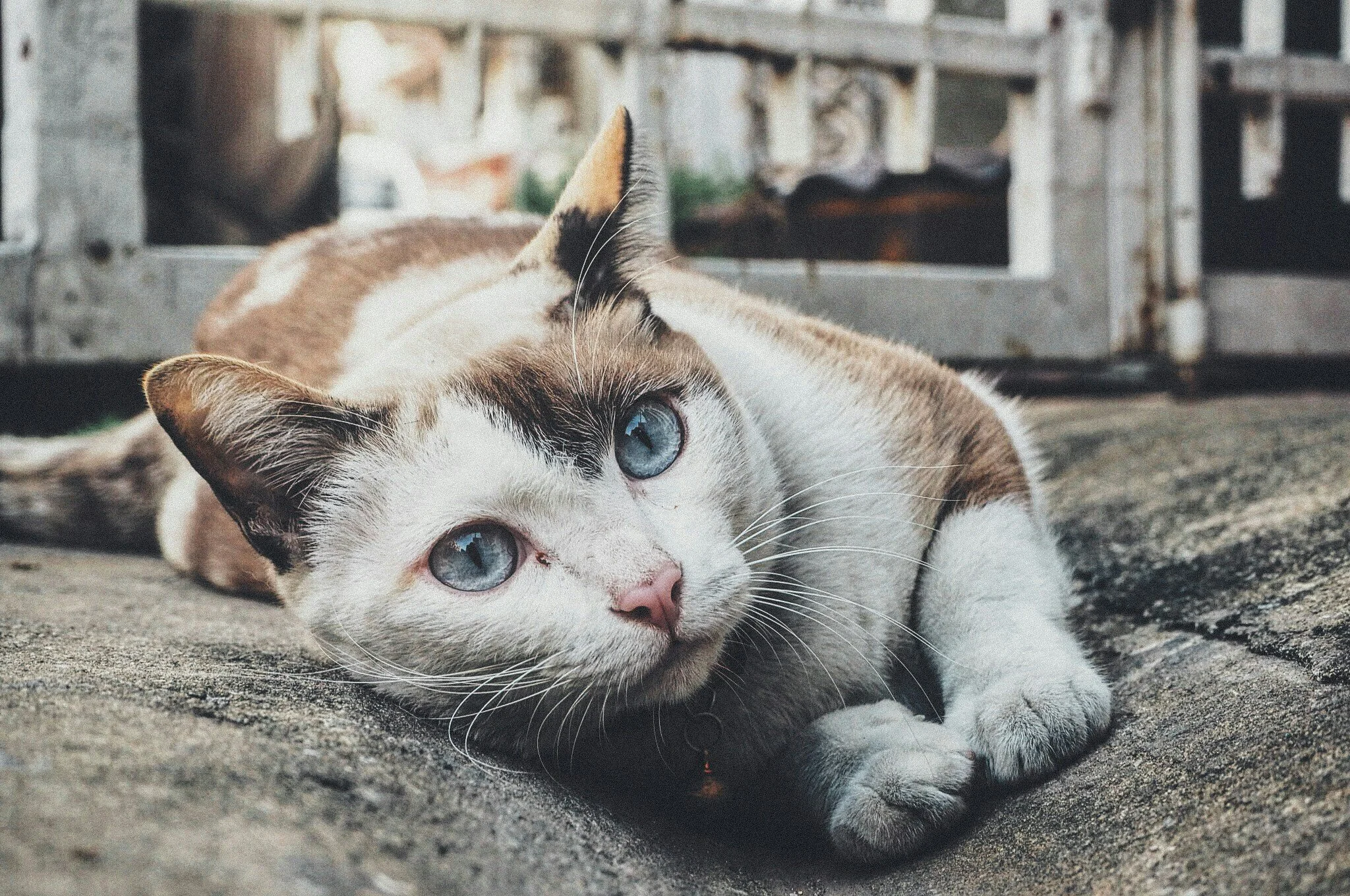
🧡🐾 How We Can Help
At Love & Toe Beans, we are here for every stage of this journey.
If you are unsure whether your cat's quality of life is being adequately maintained, we offer Quality of Life consultations both over the phone at no cost and in-home across the Greater Brisbane Region for $198. These consultations are unhurried, compassionate, and completely without pressure or judgement.
When the time comes to say goodbye, we offer gentle in-home euthanasia for cats across Brisbane, Logan, Ipswich, Redland Bay and Moreton Bay. Your cat can pass peacefully in their own home, in their own favourite spot, surrounded by the people who love them most.
We also provide pet cremation services and grief support for families navigating this time.
Osteoarthritis in cats is one of the most quietly significant conditions we see at Love & Toe Beans. It can often seem invisible until it is not. But with the right support, the right information, and the right people beside you, it is a journey you do not have to navigate alone.
We are here from the very first worried question all the way through to the final goodbye, and everything in between. 🧡
📞 1800 823 267 🌐 www.loveandtoebeans.com.au
See also: Osteoarthritis in Dogs (coming soon)
🌸🌿🌼 Related Reading
💛 FAQ: Knowing When It Is Time
🩵 But My Cat Is Still Eating and Purring
💜 When Their Eyes Still Light Up
🧡 When Doing Everything Isn't Always the Kindest Choice
🌸 When Silence Speaks Volumes: Understanding Pet Body Language
💛 Osteoarthritis in Dogs (coming soon)
🌿 Aging Gracefully: Caring for Senior Dogs and Cats
🌈🐾
Love & Toe Beans provides Quality of Life consultations, gentle in-home pet euthanasia, pet cremation, and grief support across the Greater Brisbane Region including Brisbane, Logan, Redland Bay, Ipswich and Moreton Bay.