
When the Family Disagrees on Home Pet Euthanasia: Navigating Difficult Conversations with Compassion
By Love & Toe Beans - Gentle In-Home Pet Euthanasia | Brisbane & Greater Brisbane Region
Saying goodbye to a beloved pet is one of the most heart-wrenching times a family can face. When that decision involves in-home pet euthanasia, emotions can run even deeper. If family members disagree on the right path forward, it can feel overwhelming, confusing, and isolating.
At Love & Toe Beans, we understand how difficult these conversations can be. We believe that approaching them with compassion, honesty, and respect can help families come together, honour their pet’s wellbeing, and provide the peaceful farewell their furry family member deserves.
Why Families May Disagree on Pet Euthanasia Decisions
Each person’s relationship with a pet is unique. Some family members may feel ready to let go, while others hold onto hope, fear, or guilt. Practical concerns, cultural beliefs, and past experiences all influence how people respond to the idea of euthanasia.
Recognising these differences with empathy opens the door to honest, respectful dialogue.

🌸 How to Have Difficult Conversations About Pet Euthanasia
❤️ Create a Safe and Calm Space to Talk
Choose a quiet time and place where everyone can share openly without interruptions. Encourage honesty and listen without judgement. Everyone’s feelings; fear, sadness, anger, or guilt, are valid and deserve space.
🧡 Focus on Your Pet’s Wellbeing, Not Just Emotions: Signs, Features, and Important Considerations
When emotions run high, it can help to gently redirect the conversation towards your pet’s comfort and quality of life. Observing specific signs can provide clarity and bring the family together.
Signs to Watch For
Changes in Appetite and Drinking: Loss of interest in food or water can indicate discomfort or illness. Prolonged refusal to eat often means your pet is suffering.
Mobility Challenges: Difficulty standing, walking, or climbing stairs suggests pain or fatigue limiting your pet’s enjoyment.
Breathing Difficulties: Laboured, rapid, or open-mouth breathing is serious and often caused by heart or lung issues, and can be very distressing for your pet.
Pain Indicators: Whining, trembling, avoiding touch, restlessness, tentative to lay down and slow to rise, limping, panting, lethargy, or posture changes can signal pain.
Behavioural Changes: Withdrawal, hiding, increased irritability, clinging, confusion or disrupted sleep point to distress.
Hygiene and Self-Care: Difficulty grooming, matted fur, incontinence, or untreated wounds indicate a decline in wellbeing.
Emotional Signs: Restlessness, pacing, or excessive vocalising often reveal anxiety or confusion.
Important Considerations When Assessing Quality of Life
Comfort vs. Suffering: Is your pet still enjoying life, or is discomfort outweighing joy?
Impact of Medical Treatments: Are treatments improving your pet’s wellbeing or causing more stress?
Personality and Preferences: Consider your pet’s usual behaviour and tolerance for discomfort.
Ability to Rest: Can your pet settle comfortably, or are they restless and unsettled?
Progression of Symptoms: Worsening signs over time usually indicate increasing suffering.
Tools to Help Families Discuss Quality of Life
Quality of Life (QOL) Scales: Many vets use scoring charts that assess pain, appetite, hydration, mobility, hygiene, and happiness. These can make decisions clearer but they also have limitations..
Observation Journals: Recording daily changes can help unify family perspectives.
Veterinary Advice: Professional guidance can clarify prognosis and suffering.
💛 Listen Actively and Validate Feelings
Each family member’s feelings are part of the healing process. Acknowledge grief, denial, hope, and fear as natural and important.
💚 Share Information from Trusted Veterinarians
A vet’s compassionate explanation about your pet’s condition and prognosis can help the family understand the reality of suffering and the limits of treatment.
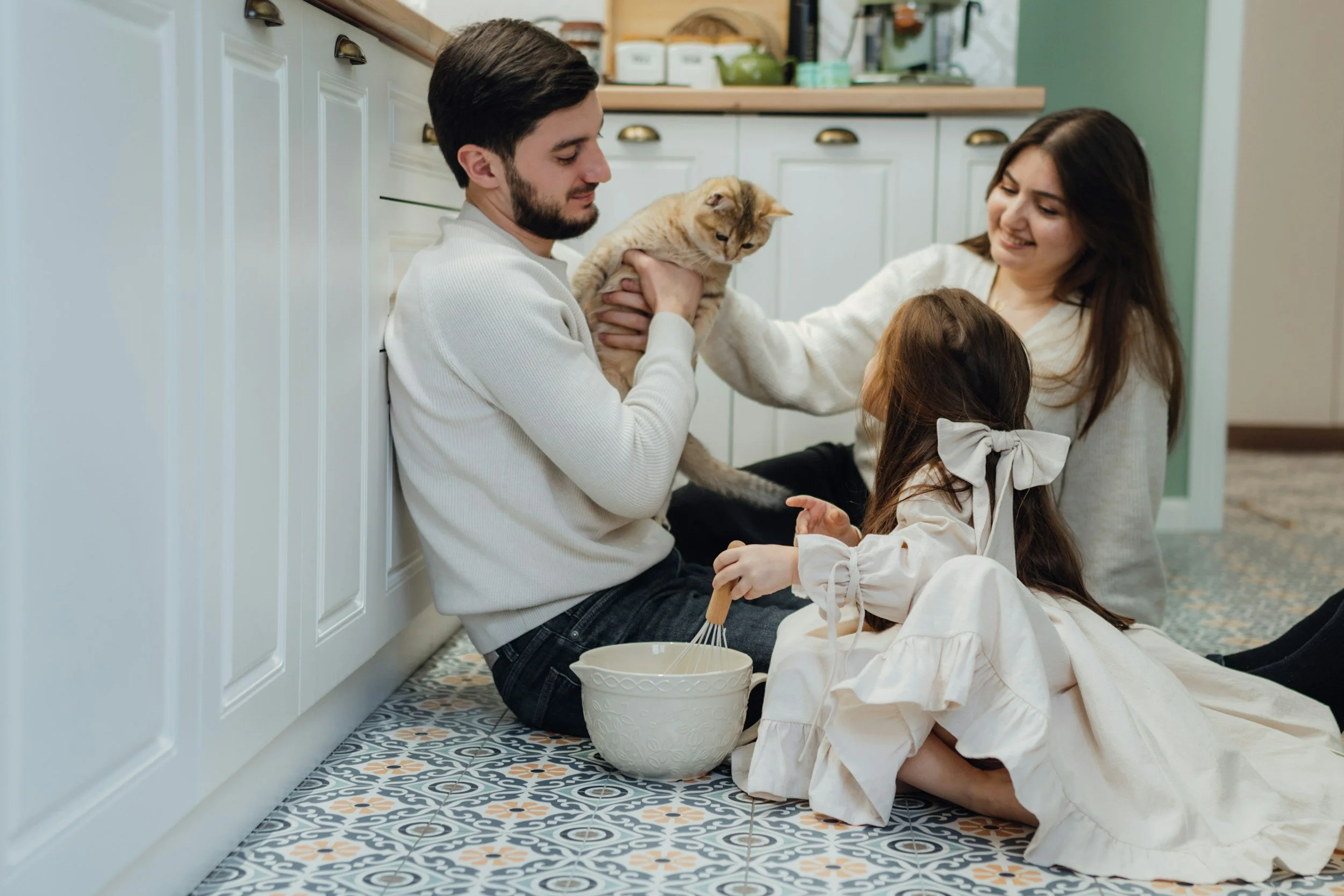
💙 The Compassionate Gift of Peaceful In-Home Euthanasia
Choosing in-home euthanasia offers your pet a peaceful passing surrounded by the comfort of home; the smells, sounds, and people they know and love. This gentle option avoids the stress of travel and clinical environments, honouring your pet’s dignity in their final moments.
Knowing your pet can drift away peacefully in a familiar place often helps families find common ground when emotions make decision-making hard.
💜 Ways to Help Make the Decision as a Family
Hold a Family Meeting: Encourage open, respectful sharing.
Include Your Veterinarian: Professional insights support clearer understanding.
Consider a Mediator: A counselor or trusted third party can facilitate difficult conversations.
Give Yourself Permission to Grieve: Sadness and uncertainty are part of love.
Remember Your Pet’s Needs Come First: Compassion means prioritising their comfort and peace.
🩷 You Are Not Alone
The team at Love & Toe Beans supports families throughout Brisbane and the Greater Brisbane region with kindness, understanding, and gentle guidance. Whether you’re struggling to begin the conversation or ready to provide your pet with a loving farewell at home, we’re here for you.
Reach Out for Compassionate In-Home Euthanasia Support in Brisbane
📍 Serving Brisbane & Greater Brisbane Region
📞 1800 823 267
Email
🌐 www.loveandtoebeans.com.au
Deciding when and how to say goodbye is never easy, but with compassionate conversation and a focus on your pet’s wellbeing, your family can find peace together and give your beloved pet the gentle farewell they deserve.
With Love (& Toe Beans),
The Love & Toe Beans Team